
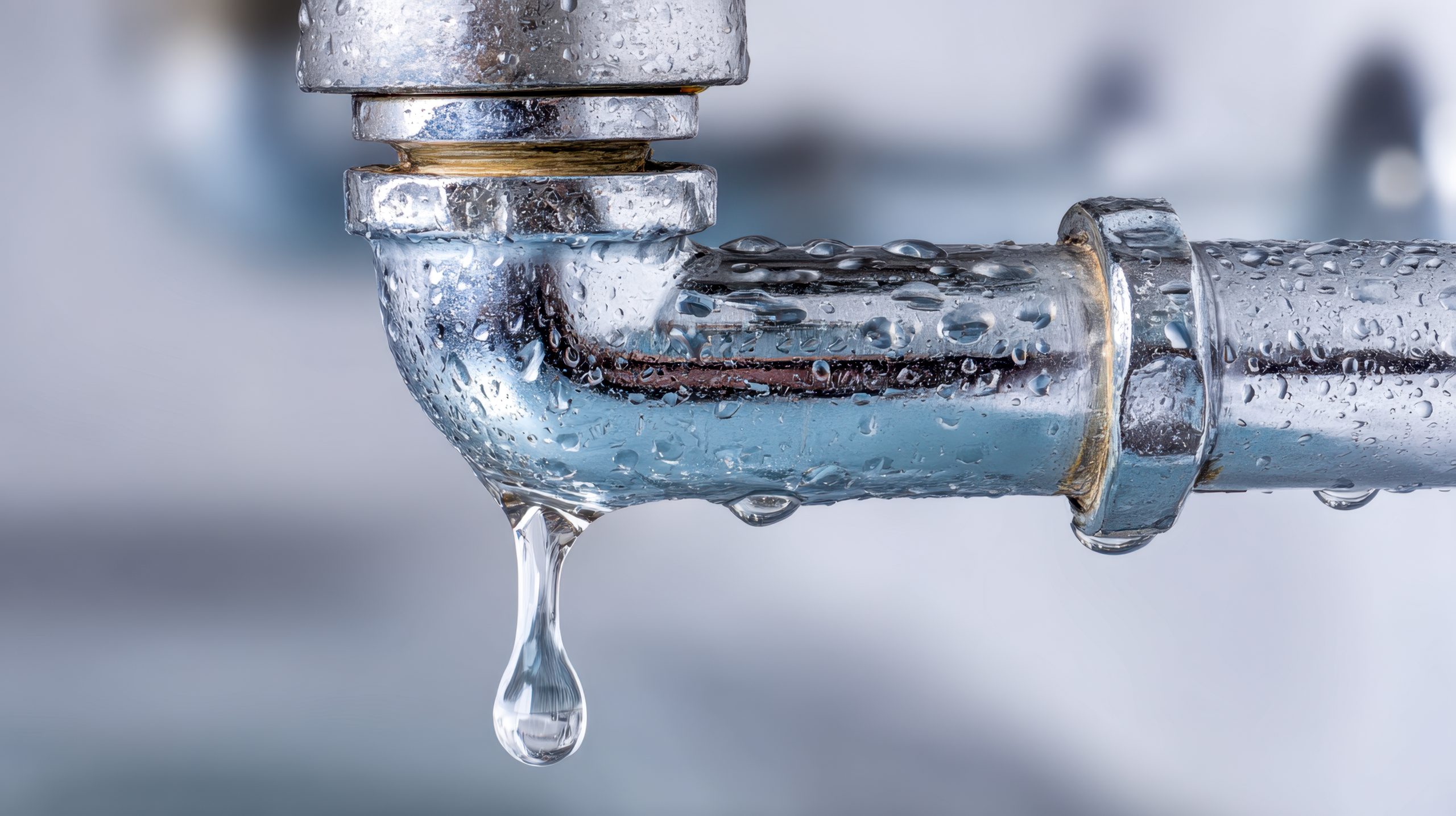
Plumbing leaks—even small drips—can waste thousands of gallons of water per year, increase utility bills, and cause hidden structural damage. Acting early with professional leak detection helps prevent costly repairs, protects your home, and keeps your plumbing system running efficiently.
Plumbing leaks are one of the most common—and most overlooked—problems homeowners face. A slow drip under a sink or a faint damp spot on a wall may not seem urgent, but even minor leaks can waste significant amounts of water and quietly damage your home over time. According to the EPA, household leaks can waste nearly 10,000 gallons of water each year, making early detection essential.
Left untreated, small leaks can lead to warped flooring, weakened drywall, mold growth, and even foundation issues. That’s why many homeowners turn to professional plumbing services to identify and fix leaks before they escalate. Acting quickly not only protects your property but also helps you avoid unexpected repair costs.
How Do Plumbing Leaks Cause Damage?
Plumbing leaks cause damage by allowing water to seep into materials that are not designed to handle prolonged moisture exposure.
When water escapes from pipes, it doesn’t stay in one place. It spreads through drywall, insulation, flooring, and even structural framing. Over time, this leads to soft spots, swelling, and deterioration. Cabinets may warp, paint may peel, and wood can begin to rot.
In more severe cases, water can reach foundational elements of your home. Slab leaks, for example, occur beneath concrete foundations and can compromise structural stability if left untreated. This is why early leak detection is critical—it stops the damage before it spreads.
How Much Water Can a Small Leak Waste?
A small plumbing leak can waste anywhere from hundreds to thousands of gallons of water each month depending on its severity.
A dripping faucet may waste a few gallons per day, but a running toilet or leaking supply line can waste hundreds of gallons daily. Over time, this adds up quickly—impacting both your water bill and environmental footprint.
Even worse, the constant flow of water puts stress on pipes and fixtures, increasing the likelihood of sudden failures. What starts as a minor inconvenience can turn into a burst pipe or major repair.
What Are the Signs of a Hidden Plumbing Leak?
Common signs of a hidden plumbing leak include unexplained increases in water bills, damp spots, musty odors, and reduced water pressure.
- Unexpected spikes in your water bill
- Water stains on ceilings or walls
- Soft or warped flooring
- Mold or mildew smells
- Running water sounds when fixtures are off
- A moving water meter when no water is in use
If you notice any of these signs, scheduling a professional inspection is the best way to confirm the source and prevent further damage.
How Do Professionals Detect Plumbing Leaks?
Professionals detect plumbing leaks using advanced tools that locate water without unnecessary damage to your home.
Modern leak detection methods include acoustic listening devices, thermal imaging cameras, and pressure testing systems. These tools allow technicians to pinpoint leaks behind walls, under floors, and even beneath concrete slabs.
In more complex situations, plumbers may use a camera inspection to evaluate pipes from the inside. This approach ensures accurate diagnosis while minimizing disruption to your home.
What Causes Plumbing Leaks Over Time?
Plumbing leaks often develop due to aging materials, high water pressure, corrosion, and water quality issues.
Over time, pipes naturally wear down. Hard water can leave mineral deposits that create stress points, while corrosion can weaken metal pipes from the inside. High water pressure is another common culprit—it puts constant strain on fittings and joints.
Addressing these factors early can significantly reduce the risk of leaks. Regular inspections and system evaluations help identify vulnerabilities before they lead to costly failures.
When Should You Call a Plumber for a Leak?
You should call a plumber as soon as you notice any signs of a leak, even if it appears minor.
Small leaks rarely fix themselves. In fact, they typically worsen over time due to pressure changes and ongoing wear. Early intervention allows for simpler, less expensive repairs.
If you suspect a larger issue—such as a slab leak or underground pipe damage—you may need more extensive solutions like waterline repair or replacement. Addressing the problem early helps avoid emergency situations.
Trusted Plumbing Leak Detection in Carlsbad and Surrounding Areas
Homeowners in Carlsbad and nearby communities face unique plumbing challenges due to mineral-rich water and shifting soil conditions. These factors can accelerate pipe wear and increase the likelihood of hidden leaks.
Working with a local expert ensures your plumbing system is evaluated with these conditions in mind. Whether you’re in Carlsbad, nearby neighborhoods, or surrounding areas, professional leak detection services provide targeted solutions that protect your home and water efficiency.
Frequently Asked Questions About Plumbing Leaks
Can a small plumbing leak really cause major damage?
How can I check for leaks in my home?
Are plumbing leaks covered by insurance?
What is the most common source of leaks?
Don’t Let a Small Leak Turn Into a Major Repair
Plumbing leaks may start small, but their impact can grow quickly. From rising water bills to hidden structural damage, ignoring even minor issues can lead to costly repairs. Taking action early helps protect your home, conserve water, and maintain an efficient plumbing system.
Whether you’re dealing with a visible drip or suspect a hidden issue, professional detection ensures the problem is handled correctly the first time. If you’re noticing signs of a leak, it’s best to act now before the damage spreads.