
Replacing your water heater becomes the smart choice when frequent repairs, rising energy bills, or age-related inefficiency start affecting comfort and performance. Professional inspection helps determine whether repair or replacement will deliver better long-term value and efficiency for your home. Choosing the right size and model ensures consistent hot water while lowering overall operating costs.
Replacing a Water Heater: How to Know When It’s the Right Move
Knowing when to replace your water heater can protect your comfort, your budget, and your home. When a system starts to struggle, the first signs are usually small—longer wait times for hot water, lukewarm showers, or odd noises that weren’t there before. Over time, wear and tear, sediment buildup, and aging components can reduce heating performance and raise energy use. Even if the heater still produces hot water, inconsistent temperature and slower recovery often signal that the system is nearing the end of its useful life.
Homeowners typically consider replacement for a handful of reasons: the unit’s age, frequent repairs, leaks, higher utility bills, or changing household needs. A water heater that has worked reliably for years may simply be aging out, while a growing family may find the current tank can’t keep up. In many cases, upgrading to a modern model can improve efficiency and reduce ongoing operating costs—especially when the current unit is outdated or repeatedly failing.
This guide walks you through nine clear signs it may be time to replace your water heater, how to weigh repair vs. replacement, and what smart next steps look like—whether you’re staying with a traditional tank or exploring tankless options. If you’re in Carlsbad and want expert help with evaluation, sizing, and installation, the team at Master Plumbers’ water heater services in Carlsbad can help you make a confident decision based on your home’s setup and local water conditions.
9 Clear Signs It May Be Time to Replace Your Water Heater
1) Your water heater is 8–12+ years old
Water heater age is one of the biggest predictors of failure. Many tank-style systems last about 8 to 12 years depending on water quality and maintenance. Tankless systems can run longer, but they still need routine service. If you’re near or past the expected lifespan, replacement planning is usually smarter than waiting for an emergency breakdown.
2) Hot water runs out faster than it used to
If showers go cold quickly or you notice reduced hot water capacity, the tank may be losing efficiency due to sediment buildup or internal wear. A failing dip tube, thermostat issues, or an element that’s losing strength can also reduce performance. When recovery slows down noticeably, replacement often becomes the more reliable long-term fix.
3) Your energy bills are rising without a clear reason
Older systems often use more energy to deliver the same comfort. Sediment at the bottom of the tank can insulate the water from the heat source, forcing longer run times. If your water usage hasn’t changed but utility costs keep climbing, a newer model with better insulation and improved efficiency may lower operating costs.
4) You hear rumbling, popping, or banging noises
Noises often point to sediment buildup inside the tank. As the heater fires, trapped water under mineral layers can create popping sounds. Over time, that buildup can reduce efficiency and contribute to overheating, component stress, and tank damage. If flushing no longer helps (or the noise returns quickly), replacement may be the safer choice.
5) You see rusty or discolored hot water
Rusty or brown-tinged hot water may indicate internal corrosion or a worn anode rod. Sometimes discoloration can be related to incoming supply lines, but if it happens primarily on hot water taps, the tank may be deteriorating from the inside out. A professional inspection can help confirm whether the issue is localized to the heater or the plumbing system.
6) There’s moisture or leaking around the base
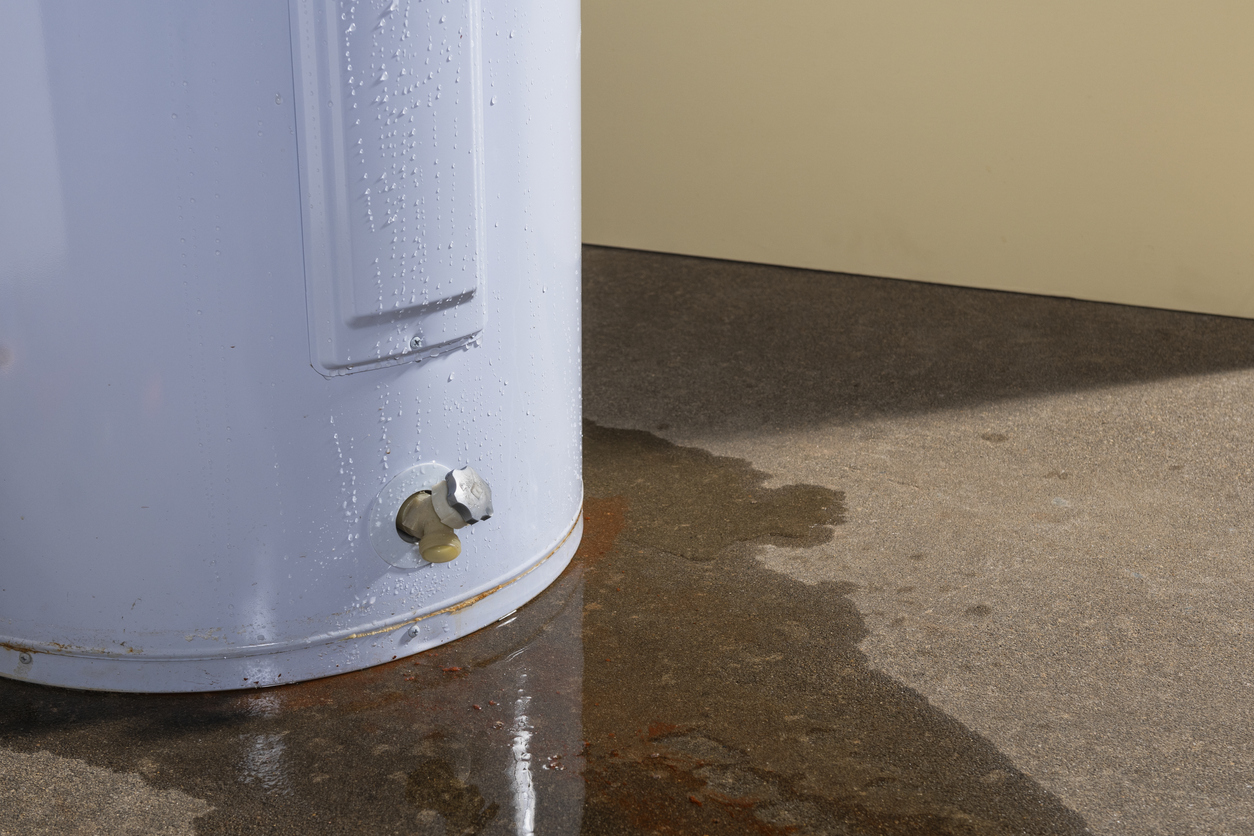
Any signs of leaking deserve immediate attention. Small leaks can grow quickly and lead to water damage. Condensation can look like leakage, but pooling water, dampness that returns, or corrosion around fittings is a red flag. If the tank itself is leaking, replacement is usually the only practical option.
7) Repairs are becoming frequent—and costs are stacking up
One repair isn’t unusual, but repeated service calls are a sign the system is wearing out. Many pros use the “50% rule” as a practical guideline: if a repair is around half the cost of replacing the unit—and the heater is older—replacement often makes better long-term financial sense. For help evaluating costs and risk, a professional assessment through Master Plumbers’ plumbing services can clarify what makes the most sense for your home.
8) The temperature swings or the water is consistently lukewarm
Fluctuating temperatures can signal thermostat issues, element failure, sediment buildup, or internal deterioration. If the problem persists after servicing, replacement may prevent recurring frustration and restore stable hot water performance.
9) Your system no longer fits your household’s needs
Sometimes the heater isn’t “broken”—it’s just undersized for the way your family uses hot water today. If you’ve added bathrooms, upgraded appliances, or your household size has changed, a new system with the right capacity can improve comfort and reduce strain. Proper sizing is essential for consistent performance and efficient operation.
Repair vs. Replacement: The Practical Decision Checklist
When deciding whether to repair or replace, it helps to look at the whole picture—not just the current problem. Here’s a simple way to think about it:
- Choose repair when the unit is relatively new, the issue is isolated (like a thermostat), and the tank is in good condition.
- Choose replacement when the unit is older, repairs are recurring, performance is declining, or corrosion/leak risk is growing.
In many homes, replacement becomes the “smart next step” when you can prevent an emergency failure, reduce energy costs, and improve hot water reliability at the same time. A professional inspection is the fastest way to confirm what’s happening inside the tank and whether replacement delivers better long-term value.
Smart Next Steps: What to Do If You Suspect Your Heater Is Failing
- Check the age using the data plate near the serial number.
- Look for visible issues like corrosion, moisture, or leaking fittings.
- Note performance changes like slower recovery, temperature swings, or unusual noise.
- Schedule a professional inspection to confirm whether repair or replacement makes the most sense.
If technicians find corroded or aging lines during evaluation, updating connections through water line replacement or repair can help protect your new installation and prevent future leaks.
Choosing the Right Replacement: Tank vs. Tankless, Size, and Fuel
When you replace a water heater, the best model is the one that matches your home’s demand, fuel type, and layout. A unit that’s too small will run out of hot water during peak use, while an oversized system can waste energy.
- Tank systems are often measured by capacity and first-hour rating.
- Tankless systems are sized by flow rate (gallons per minute) and temperature rise.
Gas units often recover faster but may require venting or supply adjustments. If gas upgrades are needed, licensed professionals can handle the work safely through gas piping services. For homeowners considering on-demand performance, exploring tankless water heaters can help you compare efficiency and space-saving benefits.
FAQ: Water Heater Replacement Questions Homeowners Ask Most
Water Heater FAQs
How long does a water heater replacement take?
Do I need a permit for a new water heater?
Can hard water shorten a water heater’s lifespan?
Is it better to repair or replace an older water heater?
Replace Your Water Heater Before It Replaces Your Routine
Hot water problems rarely improve on their own. If your heater is aging, making noise, leaking, or driving up your utility bills, replacement may be the most practical path to reliability and efficiency. The best time to replace a water heater is often before it fails—when you can choose the right model calmly, schedule installation conveniently, and avoid unexpected water damage.
For homeowners in Carlsbad, expert help is available through Master Plumbers’ water heater services. A professional evaluation can confirm whether repair or replacement makes the most sense, and proper sizing ensures your next system delivers steady hot water without wasted energy.
Request an Appointment
If you’re seeing warning signs and want a clear, no-pressure path forward, the next step is to request an appointment with a licensed plumber. A quick evaluation helps confirm whether repair or replacement makes the most sense for your home’s size, fuel type, and hot water demand.